Industrial processes involving chemicals, acids, high-pressure fluids, and corrosive substances require reliable sealing systems to ensure safety and operational efficiency. In industries such as chemical processing, pharmaceuticals, oil and gas, and food manufacturing, choosing the right sealing components is essential for preventing leakage, contamination, and equipment failure.
One of the most important components used in pressure measurement and fluid handling systems is the Diaphragm Seal. These seals are specifically designed to protect instruments from aggressive or corrosive media while maintaining accurate pressure readings. Selecting the correct seal material is critical for ensuring long-term durability and reliable industrial performance. Puja Sealsprovides high-quality sealing solutions designed to meet demanding industrial requirements.
What is a Diaphragm Seal?
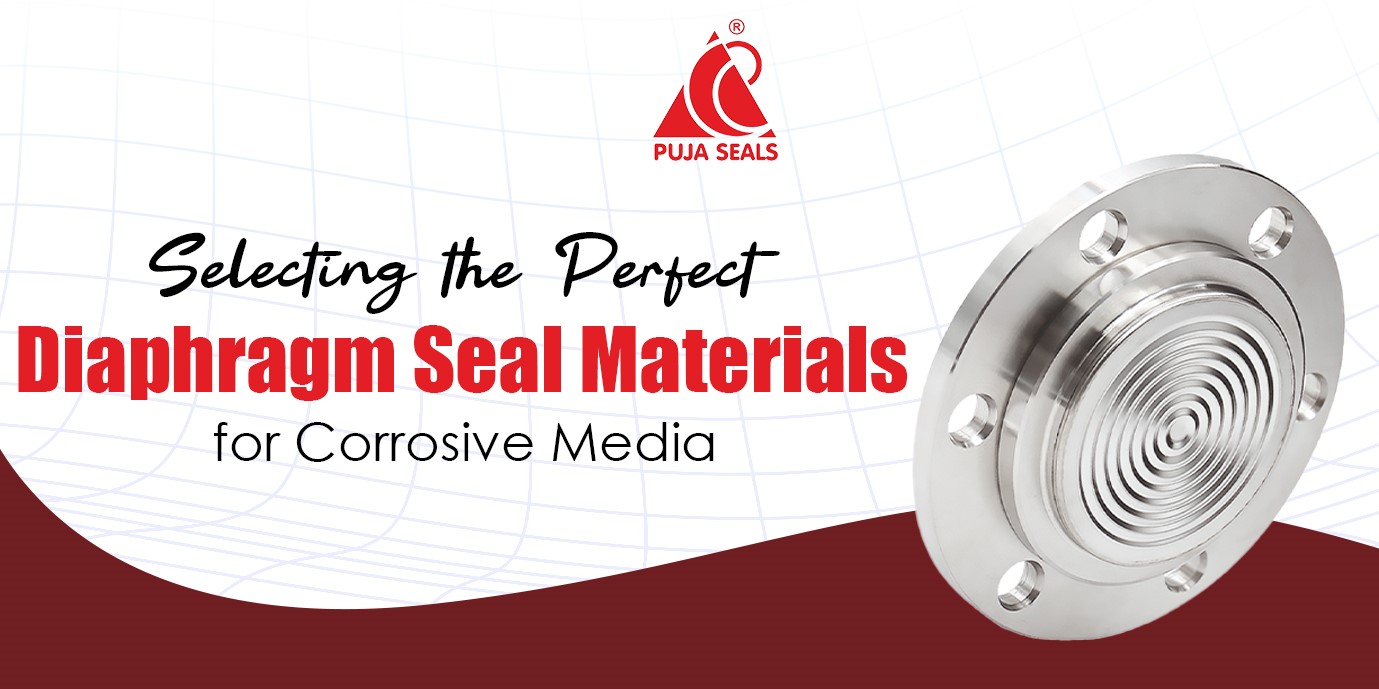
A diaphragm seal is a device used to isolate pressure instruments from corrosive, viscous, or contaminated fluids. It creates a protective barrier between the process media and the measuring equipment.
These seals are commonly used with:
- Pressure gauges
- Transmitters
- Sensors
- Monitoring systems
They help improve equipment lifespan and maintain system safety in harsh operating environments.
Why Material Selection Matters
Choosing the wrong material can lead to corrosion, leakage, equipment damage, and inaccurate pressure readings.
Common Risks of Poor Material Selection
- Chemical corrosion
- Seal deterioration
- Pressure loss
- System contamination
- Increased maintenance costs
Proper material selection improves safety, efficiency, and operational reliability.
Factors to Consider When Selecting Diaphragm Seal Materials
Different industrial applications require different material properties.
1. Chemical Compatibility
The material must resist the chemicals or fluids used in the process.
Common Corrosive Media Include
- Acids
- Alkalis
- Solvents
- Saline solutions
Using chemically compatible materials prevents premature seal failure.
2. Temperature Resistance
Industrial systems often operate under extreme temperatures.
Why Temperature Matters
High temperatures may weaken certain materials, while low temperatures can reduce flexibility and sealing efficiency.
Selecting heat-resistant materials improves seal durability.
3. Pressure Conditions
Pressure fluctuations can affect sealing performance.
Important Considerations
- High-pressure resistance
- Mechanical strength
- Long-term stability
Materials should be capable of handling operating pressure without deformation.
4. Hygiene and Contamination Control
Industries like food processing and pharmaceuticals require contamination-free systems.
Suitable Materials Should Offer
- Smooth surfaces
- Corrosion resistance
- Easy cleaning properties
Proper material selection supports product safety and compliance standards.
Common Materials Used in Diaphragm Seals
Different materials provide different advantages depending on industrial requirements.
Stainless Steel
Widely used for general industrial applications.
Benefits
- Corrosion resistance
- Good strength
- Long service life
Suitable for moderate chemical exposure environments.
Hastelloy
Ideal for highly corrosive chemical applications.
Advantages
- Excellent chemical resistance
- High-temperature durability
- Strong mechanical properties
Used in aggressive industrial environments.
PTFE (Teflon)
Commonly used in chemical processing industries.
Key Features
- Excellent chemical compatibility
- Non-reactive surface
- Temperature resistance
PTFE is suitable for handling highly corrosive substances.
Titanium
Used in demanding marine and chemical environments.
Benefits
- Lightweight strength
- Superior corrosion resistance
- Long operational life
Titanium performs well in harsh industrial conditions.
Importance of Working with a Trusted Manufacturer
Choosing an experienced Diaphragm Seal manufacturer ensures access to high-quality products designed for industrial safety and reliability.
Reliable manufacturers focus on:
- Precision engineering
- Quality raw materials
- Strict testing standards
- Customized sealing solutions
High manufacturing standards improve product durability and operational performance.
Industries That Use Diaphragm Seals
These seals are widely used across multiple industrial sectors.
- Chemical Industry: Protects instruments from aggressive chemicals.
- Pharmaceutical Industry: Maintains hygiene and contamination control.
- Food and Beverage Industry: Supports sanitary processing systems.
- Oil and Gas Industry: Handles high-pressure and corrosive applications.
- Water Treatment Plants: Improves system safety and pressure monitoring.
Reliable sealing systems are essential for efficient industrial operations.
Tips for Choosing the Right Diaphragm Seal
- Understand Process Conditions: Evaluate pressure, temperature, and chemical exposure carefully.
- Select Compatible Materials: Material compatibility improves durability and performance.
- Prioritize Quality Standards: Certified products improve operational safety and reliability.
- Work with Experienced Manufacturers: Professional guidance helps select the best sealing solutions.
- Schedule Regular Maintenance: Routine inspections help detect wear before failure occurs.
Preventive maintenance improves system efficiency and reduces downtime.
Why Choose Puja Seals
Puja Seals specializes in manufacturing high-performance industrial sealing products designed for demanding applications.
Key Advantages
- Premium quality materials
- Advanced manufacturing processes
- Reliable industrial sealing solutions
- Customized product support
- Strict quality control standards
The company focuses on delivering durable sealing solutions for a wide range of industries.
Conclusion
Selecting the right diaphragm seal material is essential for ensuring safe and efficient operation in corrosive industrial environments. Factors such as chemical compatibility, temperature resistance, pressure handling, and hygiene requirements all play an important role in material selection.
By choosing high-quality products from an experienced Diaphragm Seal manufacturer like Puja Seals, industries can improve equipment reliability, reduce maintenance costs, and maintain long-term operational performance. Proper material selection helps protect sensitive instruments and ensures safer industrial processes.
Frequently Asked Questions (FAQs)
A diaphragm seal protects pressure instruments from corrosive or contaminated process media.
The correct material improves corrosion resistance, durability, and sealing performance.
Chemical, pharmaceutical, oil and gas, food processing, and water treatment industries use them widely.
Stainless steel, Hastelloy, PTFE, and titanium are commonly used materials.
Proper material selection, routine maintenance, and suitable operating conditions help extend seal life.